Showing posts with label Research. Show all posts

Wednesday, 5 March 2014

Keltie Cochrane - Research (A condom here and a condom there)

Whilst traipsing through the various NHS campaigns on sexually transmitted diseases, I was ready to give up after the endless amount of unimaginative ideas that were floating about. That was until I stumbled across the work of Manchester based designer Michael Mara and his witty poster campaign for STD's. 

The brief - which is very similar in appearance to the one I am currently working on - was to inform young adults about sexually transmitted diseases and how easily they can be caught. 


The bright, bold use of colour is attractive and draws the attention of passing audiences. The element of witty humour to the posters makes the seriousness of the message feel more approachable than the stereotypical route of doom and gloom. The use of comical copy combined with the strong colour palette fits well with the intended target market of young adults.


Whilst I do like the style of typography used there are small issues with the spacing that I would address. The gap between 'use' and 'an' appears too large of a space and the leading on some of the posters reveals uneven amounts of white space.


The rest of the campaign as well as Michael Mara's other work can be viewed on his behance page- http://www.behance.net/gallery/NHS-STI-Awareness-Advertising-Campaign/4078845

Monday, 17 February 2014

National Trust - Gibside

Gibside is a stunning 18th-century Georgian landscape garden on a spectacular scale. With its valley views, winding paths, spectacular ruins and refreshing open spaces, Gibside is both a haven for nature and a literal breath of fresh air for us humans.  

For a cold winters day Gibside was surprisingly full. Everything from photographers, to ramblers, to people escaping the city, there was no shortage of people within the target market found wandering around the grounds. The most surprising sight was seeing a group of about 10 mothers pushing their babies around in the middle of a forest.

Recently I have been hearing a lot of skilled professionals talk about how experience is the best kind of research and today has proved that for me. It was a valuable insight into the kind of services and offers that are put in place by the National Trust and what kind of people use them. With this information we can now begin the design phase and start skecthing potential idea concepts.


Friday, 17 January 2014

D&AD - Pencil Panel 2013

D&AD hosted two live panel Q&A sessions at MPC's cinema in Soho, back in 2013, in which industry experts share their knowledge and experience of the respective industries and guide designers through the best ways to impress the judges. The video was shown to us in aid of the current D&AD competition that we are currently tackling in order to help us with the initial ideas phase. 

One of the main things emphasised in the video was experience. This was in responce to areas such as the research phase which a lot of people tend to refer to the interent instead of experiencing what they are doing/designing first hand. 


you can watch the here

Tuesday, 3 December 2013

Packaging - Folding Technique Update

Using the folding technique I had developed I was able to produce a number of different styles using this technique but I felt that the best design was the one to have the most proportioned, even surface. With this particular folding technique ‘mastered’ I tried to develop this idea further into a working packaging net however when it came to constructing a 3D mock up it was  evident that this design was not going to be compatible. I was unable to apply corner pieces and areas which were supposed to have a flat surface were warping. After exploring all available avenues with this idea I think it best to refer back to the initial idea phase.


Tuesday, 19 November 2013

Packaging - Presentation

Today involved a presentation of the various packaging research we have collected over the two week period. A wide variety of packaging was shown from everything including food, clothing and drinks packaging to experimental, Japanese and original pieces. For my own benefit, the presentation allowed me to idetitfy areas within my research which could do with more in depth study. This was also noted by the tutor which suggested I include examples of experimental packaging with in my work and also evaluate to state why I think a particular piece works or not. 


One particular piece of packaging which caught my eye was the example below of the honey jars. 

Created by Maksim Arbuzov this Honey concept packaging following his design philosophy that natural forms are the best way to showcase the “naturalness” of a product. In the case of Honey, Arbuzov borrows the hexagonal wax cells found in beehives to show the naturalness of honey in order to create packaging with an actual link to its product. Arbuzov’s design is simple yet clever and sophisticated. By using the honeycomb shape, there is no mistaking what is being sold. The design also allows the bottles to be stacked to create a large honeycomb structure.  This is an amazing concept and the inspiration behind the packaging of stripping it back to its bare natural roots is overlooked in a lot of packaging.

Monday, 18 November 2013

ILOVEDUST

“We create fresh, innovative design which makes up our award-winning portfolio. Collaborating with a diverse range of brands, from these shores and afar, we’ve been delivering world class illustration and graphic design for 10 crazy years” -ILOVEDUST


Whilst researching packaging design for task one I came across the design studio ILOVEDUST, which features a range of packaging designs with a heavy focus on illustration. The designs are very fresh and modern, appearing to be in style with today's trend. 


U.K. based illustrator Matt Taylor produced the art for these four fictitious bottles of Vargold vodka whilst working for ILOVEDUST. With the name Vargold originating from norse mythology the bottles reflect a Nordic theme. Each bottle features a different Norse mythos including Odin and his raven, Vidar battling Fenrir, and the unnamed eagle atop Yggdrasil.  


The stunning illustrations on the bottle are spectacular and are aimed to reflect the clean, crisp taste of Vargold. Along with the minimal colour scheme and wonderfully placed label, everything about the bottle design works perfectly. Placed on a shelf this bottle would definitely stand out and draw people to it.

The design for 1800 tequila is heavily inspired and based upon Mayan culture and Aztec mythology. The rich bold tones would really make this design stand out on the shelves. With this type of design it is something that you can keep after use.
Created for Earth Day these limited edition products are an excellent example of turning a product - in this case facial shaving cream, into an eye catching piece that stands out on the shelf. The use of colour is this packaging is its main strength. The green and peach coloured tones of the second design compliment each other and create for a unique palette that looks unique and relates to the client. The same applies for the third design and how the text colour flows nicely with the overall design.


Designed for Breuckelen Distilling Company this simplistic bottle design is another example of ILOVEDUST bottle work. Following today's trend of  minimal being more the design still has an element of illustration on the box packaging. Interesting how the bottle info becomes part of the design by shining through from the background.

In 2008 Nike commissioned ILOVEDUST to create the illustration and packaging for the Air Jordan x Levis 23/501 Denim Pack. Only 2,323 pairs we’re made available worldwide.


The use of the dark red colour gives off the impression of the product being professional and luxurious, whilst the added gold in the illustration increases the perceived value. The actual box itself appears to be a more upmarket version of the typical shoebox, constructed from card with a laminated surface featuring two separate compartments holding the shoes and the jeans. The shoes have been placed in a more presentable format then the more practical way of being layed flat.


Benji was a high school basketball superstar, and was tracially shot to death at the start of his senior year in 1984. Designed and made by ILOVEDUST, the commemorative pack was then to be given to Benji’s family on behalf of Nike. The pack included a pair of Nike Lunar Hyperdunk’s, a plaque with Wilson’s jersey number, 25, and a specially made shoe tag. Packaged within a custom wooden case, created from reclaimed gymnasium flooring with 25 logos laser-etched into the wood. (laser cut allows for clean and complex designs)


The use of reclaimed gymnasium flooring instead of clean, cut wood really makes this design for. It adds a personal touch to the design considering the background of the project but in terms of cost and production, it would be very expensive to mass produce.

Even the website is very well presented and designed.
www.ilovedust.com/ 

Friday, 15 November 2013

Packaging - Tea Packaging

Contemporary tea packaging is a perfect area for demonstrating a range of packing styles and looks, often being on trend and ahead of current styles.

https://blogger.googleusercontent.com/img/b/R29vZ2xl/AVvXsEgw56OAatqBi25C18hhk0eBRgFW0pPmVLIJaLMN2OKQrcdNTdxAix1SEk3OGLT5j9-fPDwtEvausjJTxUo0YzpWuowj8mVt1p-JP4eXI0N1XAZ9r88x5-qXcTUlU-hkTkgp37bU508pI6E/s800/hanger_tea-03.jpg

This quirky packaging concept is for Hanger Tea. The concept for the design is taken from the name of the packaging or vice verse. The tea bags - in the shape of t-shirts, are attached to little coat hanger cut outs which are all neatly packaged into a die cut box resembling a cupboard. The overall design is very fun and humorous yet it retains a smart, organised and rather modern look to it. Putting the fun aspect aside the design is actually very functional with the hanger allowing the tea bags to removed with ease. 


The work of student designer Sophie Pépin, this tea packaging aims to celebrate the skills and nomadic lifestyle of the native Americans by basing the design in the shape of the popular tee pee. The name of the tea, teapee, is a clever wordplay from tee pee. The native American pattern featured on the designs changes in accordance with each flavour and also serves as an opening mechanism. Once opened the tea bag them selves continue the theme by adopting a similar tee pee shape. Even the tee pee poles play a role in the design by allowing the customer to lift the tea bag in and out of the cup. Clearly a lot research and thought has went into this packaging which is evident with the final outcome.


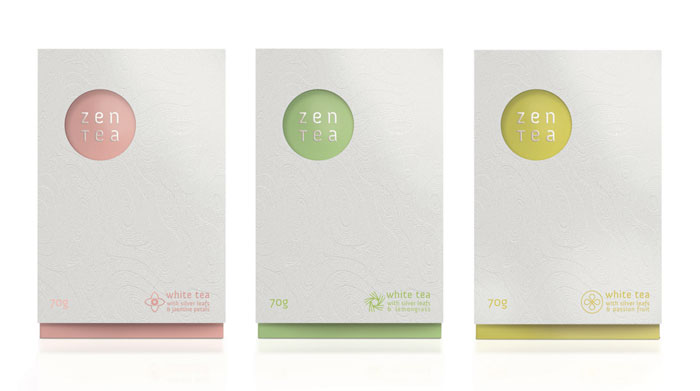
“Tea embodies peace and harmony. After removing the minimalist part of the package (a metaphor for peace), we find a clear pattern on the packaging (a metaphor for harmony). The Pattern design consists of a doily, leaves and characteristic elements for each taste of tea.” 
- Designer Konrad Sibiksi, Warsaw

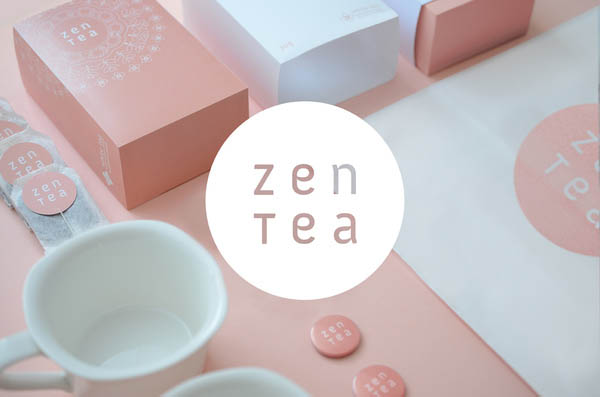
The idea behind this simple and minimalistic design is amazing. It has identified the products qualities and has reflected them in the design in order to communicate this to the customer. The subtle texture of a zen garden on the outer sleeve combined with the soft pastel colour palette ties in the message of peacefulness the designer wanted to convey. The reasoning for the simple design stated by the designer

Friday, 1 November 2013

Instantprint - Design Development 5

Another design update regarding the previous issue of the design being too plain and boring. Instead of deleting the image being traced keeping it allowed the design to retain interest and depth. It also allowed the natural colours and tones of the original flower image to be kept which makes the design look more appealing than having bare, minimalistic lines. In order to make these colours more defined I used illustrators trace setting which also erased any pixel problems that may have occurred. 

I feel this design is the best path to follow and with the deadline approaching I will have shape this design into the required mediums of business cards etc. (At least this way the design looks less like a Haynes manual illustration)

Design Version 1

Design Version 2

Wednesday, 23 October 2013

Instantprint - Design Development 4

An update to the development of the image trace. After carefully tracing the rest of the flours and experimenting with the stoke width and colour, I am left with the result as shown. A clean and simplistic design. At first I thought this style of design was effective, especially when viewed on the screen. However upon reflection the design looks a bit too plain. The white space is over empowering and the design looks too much like the Haynes car manuels.
 

Friday, 18 October 2013

Instantprint - Client Meeting

Today a representative from Instant Print came into see how the project was coming along. This involved giving individual presentations in which we presented our ideas and how we plan on developing them further. The benefit of doing this allowed us direct feedback from the client which helped us know what the client liked and what they were looking for. 

With my design it was noted that the style looked attractive and colourful. It displayed potential but fundamentally the design needed to be applied to a business card or other related mediums. I agree with everything the client said. I think that I have put too much focus in creating an illustrative piece of work instead of solving the creative task. In order to meet the clients need I will have to reexamine my research and perhaps try developing a different idea. I feel that I have reached a dead end with this idea and have exhausted the possibilities.

Tuesday, 24 September 2013

Instantprint - Save the Date

Whilst researching into florist and nature themed business cards I came across this example below. Judging by the amount of detail contained in areas such as the leaves and the crisp edges of the petals, I would guess that these are high quality scans or photographs which have then been carefully cut out on photoshop or illustrator. The flowers show signs of alteration especially with the colour in terms of hue and saturation, tones and highlights, and exposure. 

The image gives the illusion of two whole flowers however upon closer inspection it appears as if the designer has employed a collage like effect, using multiple images arranged together to form the body of a flower. The other image on the other hand goes for a different approach and continues with the same style yet opts for a symmetrical layout.


The overall design gives of a very soft and elegant look, which is very similar to the colour quality of old posters, which presumably is the reason for the saturation and exposure levels. The collage effect is something which works really well and the absence of drop shadows works in its favour. The majority of the work would be achievable in photoshop with the image editing.