Saturday, 30 November 2013

Packaging - Folding Techniques

I found myself getting stuck on this idea of having a box shape due to the name of the client being BOX. To give myself some fresh inspiration I kept referring back to the research from tasks 1, which lead to the concept of a collapsible box. On paper the idea sounded like a solution to the brief but I felt that the design looked ‘flat’ and visually dull.

Taking the idea of the flat pack-packaging box further I wanted to try and develop it into a more contemporary look and fix the current issue of it appearing visually unappealing. With this in mind I experimented with various folding techniques, scores and lines to add depth and interest. This process turned up a dead end in terms of finding a solution. Searching further afield I looked into the techniques involved in the art of origami. Through a process of trial and error I was able to create a collapsible fold which when expanded would reveal a triangle like surface texture with depth.


Fold 1 open
Fold 1 closed
Fold 2 closed
Fold 2 open


Tuesday, 26 November 2013

Packaging - Idea Generation

With the brief outlined for task 2 I began by analysing the Web page visual provided by BOX in order to build a profile on their brand style. This involved breaking the web page down to its separate components which covered key areas such as brand language, style, colour palette, font style etc. With a profile developed, the information I had collected from task 1 and the analyse of the brief, I proceeded to start producing a series of quick scamps of my initial ideas.


Packaging - Research Summary

Covering a wide variety of packaging from different catergories and disciplines was a great way of pinning down the current trend at the minute.  A lot of the packaging favoured a bare minimilistic design rather than an explotion of colour and graphics. Most notable examples included the tea packagings.


Friday, 22 November 2013

Packaging - Task One Summary

Task one, being a two week project, involved having to collect packaging examples across various different market sectors of various styles and themes. Once collected the research examples had to then be evaluated and analysed. This involved stripping the packaging of the various elements that made it: the materials used, target audience, tone of voice, aesthetics, market level etc. Once collected and annotated the research then had to be presented in a suitable manner to a class presentation, during which thoughts and examples of creative, interesting packaging would be discussed and shared.
 
Collectively I was able to gather a wide variety of packaging examples over the various market sectors and styles, such as food and drink, clothing, confectionery, health and beauty etc. Using the analytic skills that I had developed over the course of the year I evaluated each example of packaging commenting on the concept, purpose, style, and target market. With a sufficient amount of packaging research and annotation I presented my findings in a class presentation with the rest of my peers. During this presentation we analysed what makes effective packaging and essentially what makes a good design.

To summarise task 1 I would say I achieved a good level of understanding on what makes effective packaging. Covering a wide variety of packaging from different categories and disciplines was a great way of pinning down and identifying the current trends.


Wednesday, 20 November 2013

Packaging - Brief Introduction (BOX)

Men don’t like shopping for clothes: buying in a physical environment is a hassle and purchase satisfaction and value perception are low. BOX is an Internet-based men’s fashion brand focused on driving a fundamental shift in the way men purchase essentials (underwear, socks, undershirts). Working with a top-tier London fashion designer, Box have created the ultimate suite of products, which will be sold direct to consumers via a rich web experience.

As a graphic designer our task is to design and develop a range of packaging for the BOX brand products, which will consist of a range of underwear, socks and undershirts. The packaging has to be designed with postage in mind, but must maintain a high-end rich brand quality feel the end user experience. Expanding upon this further the packing must:

- Reflect the brand ethos, style and tone of voice which is masculine, down-to-earth and urban.

- Be an intelligent design that reflects the brands key values: low cost, value for money, good quality and well-designed.

- Be mailable by regular post and fit through a letter box.

- Be cost effective to produce.

- Protect the products from damage in transit.

- Help increase loyalty, build customer relationships and help raise brand awareness. 


Tuesday, 19 November 2013

Packaging - Presentation

Today involved a presentation of the various packaging research we have collected over the two week period. A wide variety of packaging was shown from everything including food, clothing and drinks packaging to experimental, Japanese and original pieces. For my own benefit, the presentation allowed me to idetitfy areas within my research which could do with more in depth study. This was also noted by the tutor which suggested I include examples of experimental packaging with in my work and also evaluate to state why I think a particular piece works or not. 


One particular piece of packaging which caught my eye was the example below of the honey jars. 

Created by Maksim Arbuzov this Honey concept packaging following his design philosophy that natural forms are the best way to showcase the “naturalness” of a product. In the case of Honey, Arbuzov borrows the hexagonal wax cells found in beehives to show the naturalness of honey in order to create packaging with an actual link to its product. Arbuzov’s design is simple yet clever and sophisticated. By using the honeycomb shape, there is no mistaking what is being sold. The design also allows the bottles to be stacked to create a large honeycomb structure.  This is an amazing concept and the inspiration behind the packaging of stripping it back to its bare natural roots is overlooked in a lot of packaging.

Monday, 18 November 2013

ILOVEDUST

“We create fresh, innovative design which makes up our award-winning portfolio. Collaborating with a diverse range of brands, from these shores and afar, we’ve been delivering world class illustration and graphic design for 10 crazy years” -ILOVEDUST


Whilst researching packaging design for task one I came across the design studio ILOVEDUST, which features a range of packaging designs with a heavy focus on illustration. The designs are very fresh and modern, appearing to be in style with today's trend. 


U.K. based illustrator Matt Taylor produced the art for these four fictitious bottles of Vargold vodka whilst working for ILOVEDUST. With the name Vargold originating from norse mythology the bottles reflect a Nordic theme. Each bottle features a different Norse mythos including Odin and his raven, Vidar battling Fenrir, and the unnamed eagle atop Yggdrasil.  


The stunning illustrations on the bottle are spectacular and are aimed to reflect the clean, crisp taste of Vargold. Along with the minimal colour scheme and wonderfully placed label, everything about the bottle design works perfectly. Placed on a shelf this bottle would definitely stand out and draw people to it.

The design for 1800 tequila is heavily inspired and based upon Mayan culture and Aztec mythology. The rich bold tones would really make this design stand out on the shelves. With this type of design it is something that you can keep after use.
Created for Earth Day these limited edition products are an excellent example of turning a product - in this case facial shaving cream, into an eye catching piece that stands out on the shelf. The use of colour is this packaging is its main strength. The green and peach coloured tones of the second design compliment each other and create for a unique palette that looks unique and relates to the client. The same applies for the third design and how the text colour flows nicely with the overall design.


Designed for Breuckelen Distilling Company this simplistic bottle design is another example of ILOVEDUST bottle work. Following today's trend of  minimal being more the design still has an element of illustration on the box packaging. Interesting how the bottle info becomes part of the design by shining through from the background.

In 2008 Nike commissioned ILOVEDUST to create the illustration and packaging for the Air Jordan x Levis 23/501 Denim Pack. Only 2,323 pairs we’re made available worldwide.


The use of the dark red colour gives off the impression of the product being professional and luxurious, whilst the added gold in the illustration increases the perceived value. The actual box itself appears to be a more upmarket version of the typical shoebox, constructed from card with a laminated surface featuring two separate compartments holding the shoes and the jeans. The shoes have been placed in a more presentable format then the more practical way of being layed flat.


Benji was a high school basketball superstar, and was tracially shot to death at the start of his senior year in 1984. Designed and made by ILOVEDUST, the commemorative pack was then to be given to Benji’s family on behalf of Nike. The pack included a pair of Nike Lunar Hyperdunk’s, a plaque with Wilson’s jersey number, 25, and a specially made shoe tag. Packaged within a custom wooden case, created from reclaimed gymnasium flooring with 25 logos laser-etched into the wood. (laser cut allows for clean and complex designs)


The use of reclaimed gymnasium flooring instead of clean, cut wood really makes this design for. It adds a personal touch to the design considering the background of the project but in terms of cost and production, it would be very expensive to mass produce.

Even the website is very well presented and designed.
www.ilovedust.com/ 

Friday, 15 November 2013

Packaging - Tea Packaging

Contemporary tea packaging is a perfect area for demonstrating a range of packing styles and looks, often being on trend and ahead of current styles.

https://blogger.googleusercontent.com/img/b/R29vZ2xl/AVvXsEgw56OAatqBi25C18hhk0eBRgFW0pPmVLIJaLMN2OKQrcdNTdxAix1SEk3OGLT5j9-fPDwtEvausjJTxUo0YzpWuowj8mVt1p-JP4eXI0N1XAZ9r88x5-qXcTUlU-hkTkgp37bU508pI6E/s800/hanger_tea-03.jpg

This quirky packaging concept is for Hanger Tea. The concept for the design is taken from the name of the packaging or vice verse. The tea bags - in the shape of t-shirts, are attached to little coat hanger cut outs which are all neatly packaged into a die cut box resembling a cupboard. The overall design is very fun and humorous yet it retains a smart, organised and rather modern look to it. Putting the fun aspect aside the design is actually very functional with the hanger allowing the tea bags to removed with ease. 


The work of student designer Sophie Pépin, this tea packaging aims to celebrate the skills and nomadic lifestyle of the native Americans by basing the design in the shape of the popular tee pee. The name of the tea, teapee, is a clever wordplay from tee pee. The native American pattern featured on the designs changes in accordance with each flavour and also serves as an opening mechanism. Once opened the tea bag them selves continue the theme by adopting a similar tee pee shape. Even the tee pee poles play a role in the design by allowing the customer to lift the tea bag in and out of the cup. Clearly a lot research and thought has went into this packaging which is evident with the final outcome.


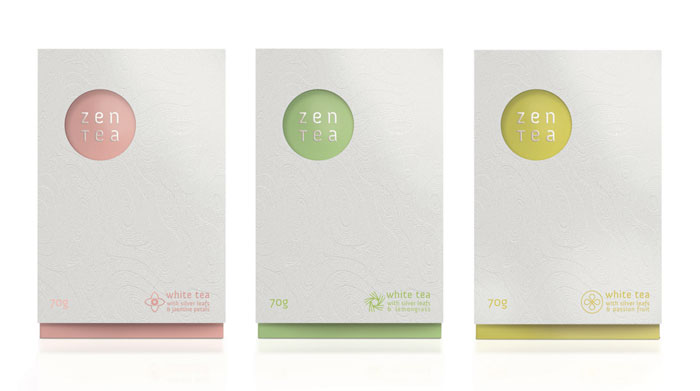
“Tea embodies peace and harmony. After removing the minimalist part of the package (a metaphor for peace), we find a clear pattern on the packaging (a metaphor for harmony). The Pattern design consists of a doily, leaves and characteristic elements for each taste of tea.” 
- Designer Konrad Sibiksi, Warsaw

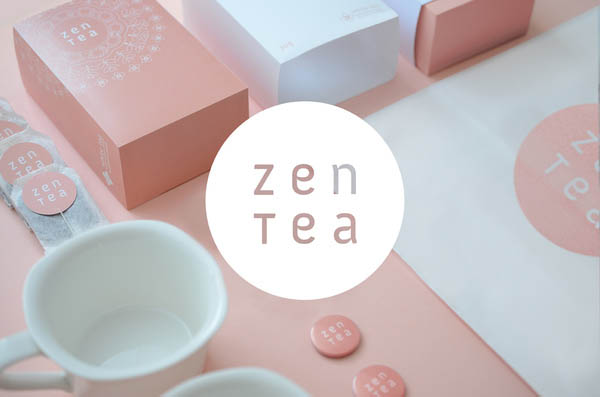
The idea behind this simple and minimalistic design is amazing. It has identified the products qualities and has reflected them in the design in order to communicate this to the customer. The subtle texture of a zen garden on the outer sleeve combined with the soft pastel colour palette ties in the message of peacefulness the designer wanted to convey. The reasoning for the simple design stated by the designer

Thursday, 7 November 2013

Instantprint - Evaluation

With the first project finished and handed in eventually, I thought it best to analyse my performance in order to identify where I went wrong in order to avoid repeating the issues in the foreseeable future.

Before detailing the weaknesses in my performance I will first examine the strengths. One of the strongest aspects to my performance was my ability to understand where I went wrong. Whilst I struggled to turn the project around I was able to understand the cause of my problems which demonstrated my analytical skills.

One of the main weaknesses of my performance was my time keeping and organisation skills. Managing the various tasks associated with the Instant Print brief proved to be difficult and ultimately led to myself missing the deadline. Consequently these means a subtraction of 10% in marks. To start of with I feel the amount of research I produced was lacking in certain areas and was not properly evaluated. As a result this led to a poorly developed idea which consumed a lot of time and effort. With an idea that I didn't feel was as strong as it could have been, I found myself at the last minute trying to produce a new idea from scratch. This is what I consider to be the main contribution in the downfall of this project.

Another weakness to my overall performance was my understanding of the task. Instead of incorporating my idea into the required mediums of a business card, flyer, letterhead, poster etc. I mainly focused on the look and feel of the illustration rather than what was asked of me.

If given the opportunity to revisit this task I would start by correcting my previous mistakes. I would expand upon my research further and produce a more detailed evaluation of the findings. This would allow me to identify any problems within the category which would create a strong platform in which to start designing more creative solutions. I also would improve upon the final deliverable by blending the artwork with a mixture of business cards, flyers, posters etc.

For the next project, one of the main targets for my personal development will have to be to improve upon my organisation skills and time keeping. As this project demonstrated time management plays a vital role in the success of the task. If I am to avoid similar issues in the future I must develop a more professional attitude when it comes to organisation and management of my own time.

Friday, 1 November 2013

Instantprint - Design Development 5

Another design update regarding the previous issue of the design being too plain and boring. Instead of deleting the image being traced keeping it allowed the design to retain interest and depth. It also allowed the natural colours and tones of the original flower image to be kept which makes the design look more appealing than having bare, minimalistic lines. In order to make these colours more defined I used illustrators trace setting which also erased any pixel problems that may have occurred. 

I feel this design is the best path to follow and with the deadline approaching I will have shape this design into the required mediums of business cards etc. (At least this way the design looks less like a Haynes manual illustration)

Design Version 1

Design Version 2